Wood Panelling
08/02/2024
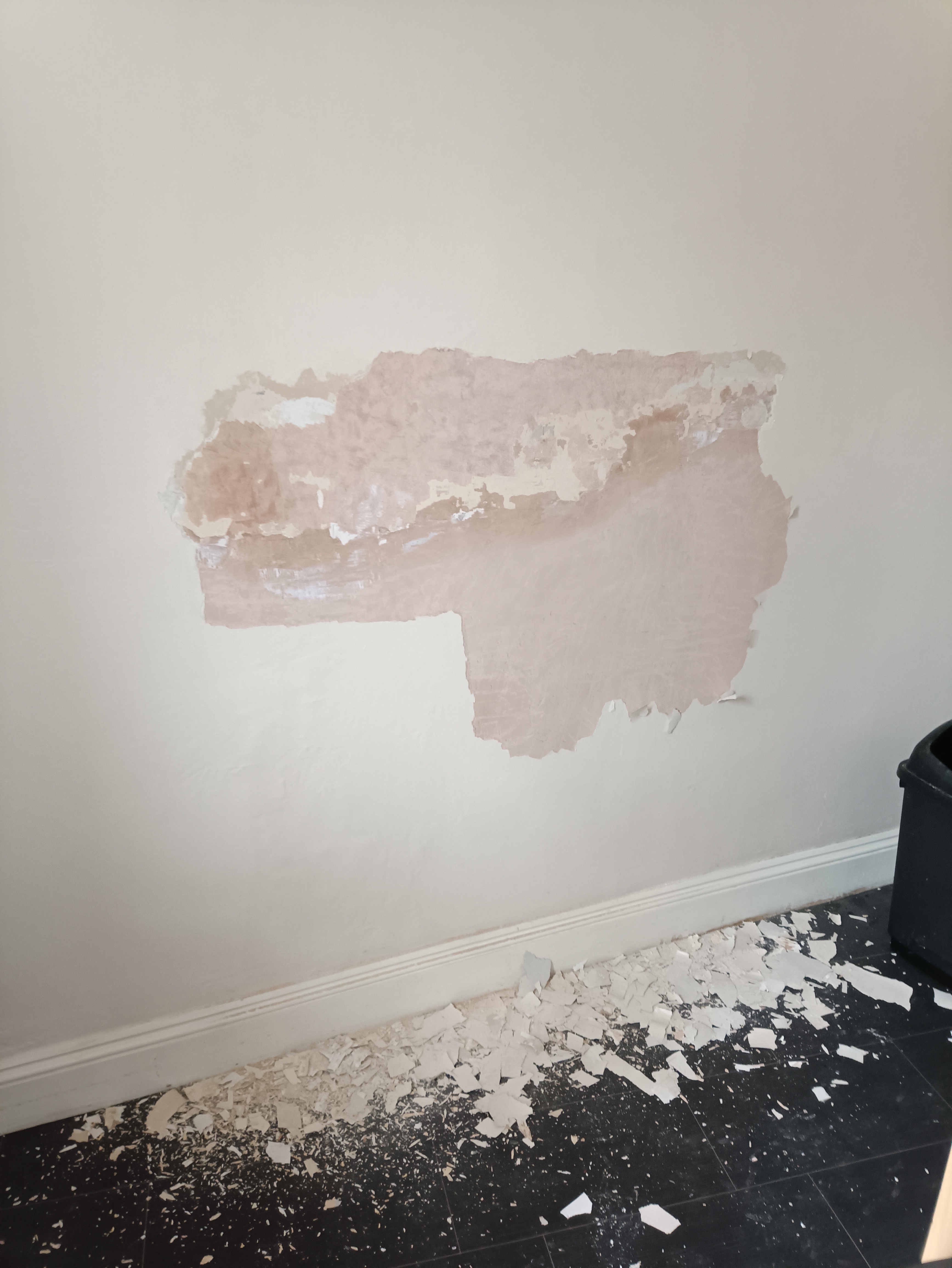
There was a patch of loose paint on my back wall that I couldn't resist peeling further. It seemed the previous owner had omitted the mist coat on bare plaster. Initially it came away with just fingernails, then I'd use a metal ruler and finally a wallpaper scraper. My new habit was highly satisfying but had grown beyond a mere blemish of wear and tear; I had to redecorate. As this was the first time I wasn't under landlord rule, there were no impending rental inspections or tenancy deposits to lose...
So I figured: why not try it myself?
The architecture of the property is unmistakebly Georgian and, while not my first choice, I didn't want to fight its origins. Wood panelling may be the cliché of every suburban new build but I knew it would work in harmony with the periodicity of this house.
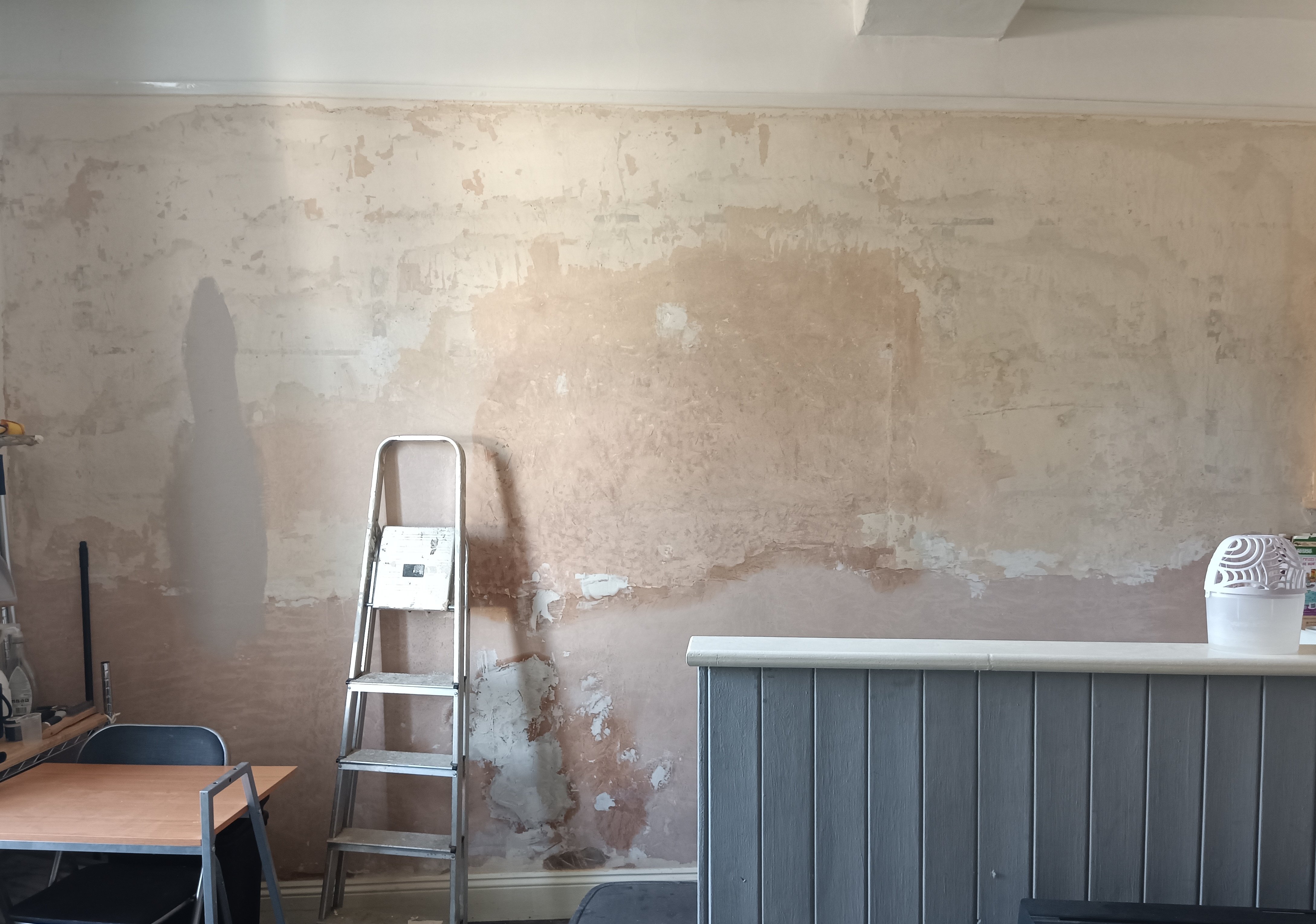
I'd never before decorated and wanted to do everything properly - which I now dearly regret. After reading all about surface preparation, moisture and pre-Victorian materials, I took the whole wall back to bare plaster. Chemical strippers helped remove layers of paint, lining paper and paste. This was all rather unnecessary: it's an internal wall and the removal process caused more defects to fix. I mixed my own filler to repair troublesome spots but it later flashed through the paint, which highlighted the importance of primer coats and adequate drying times.
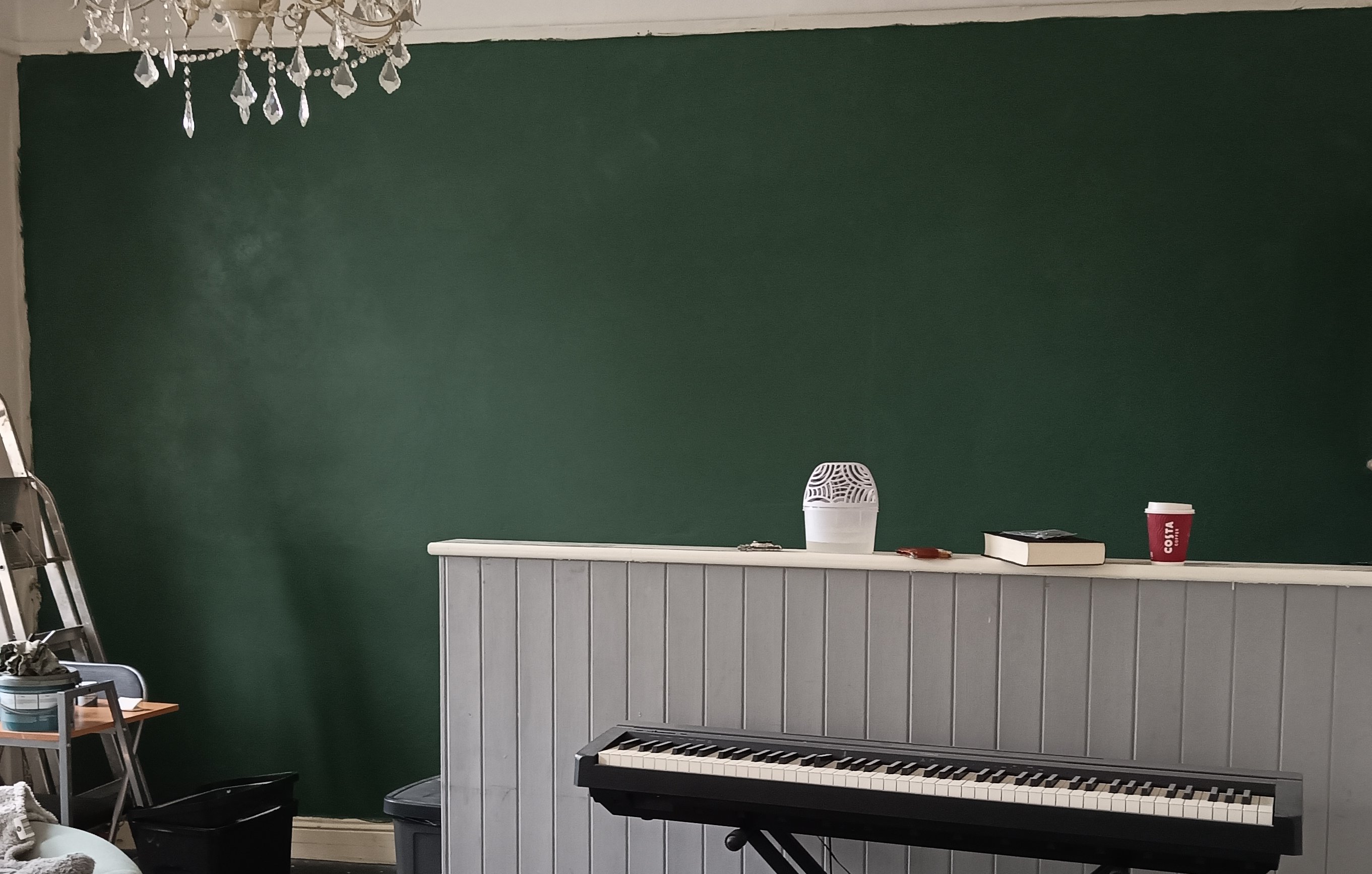
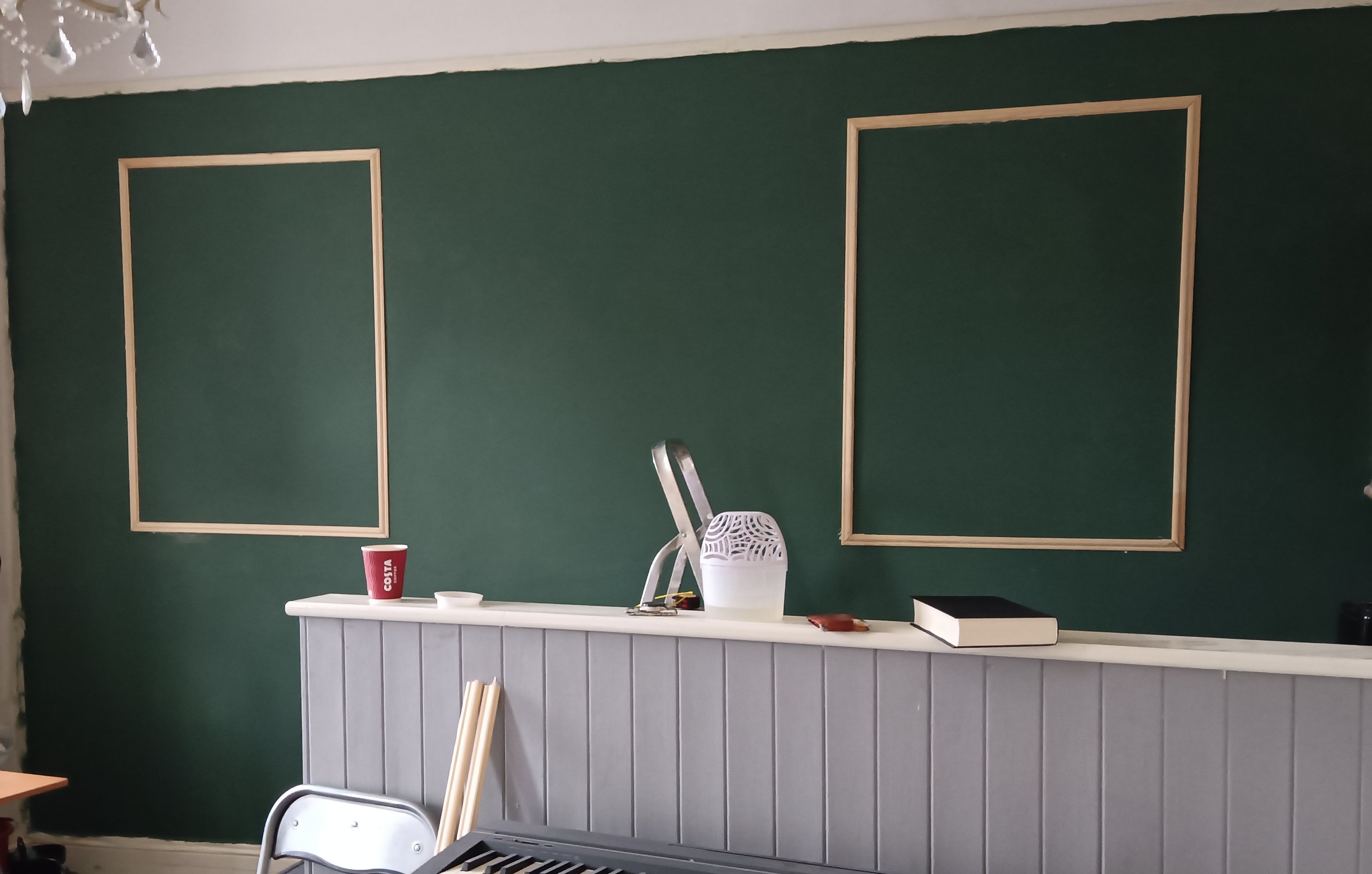
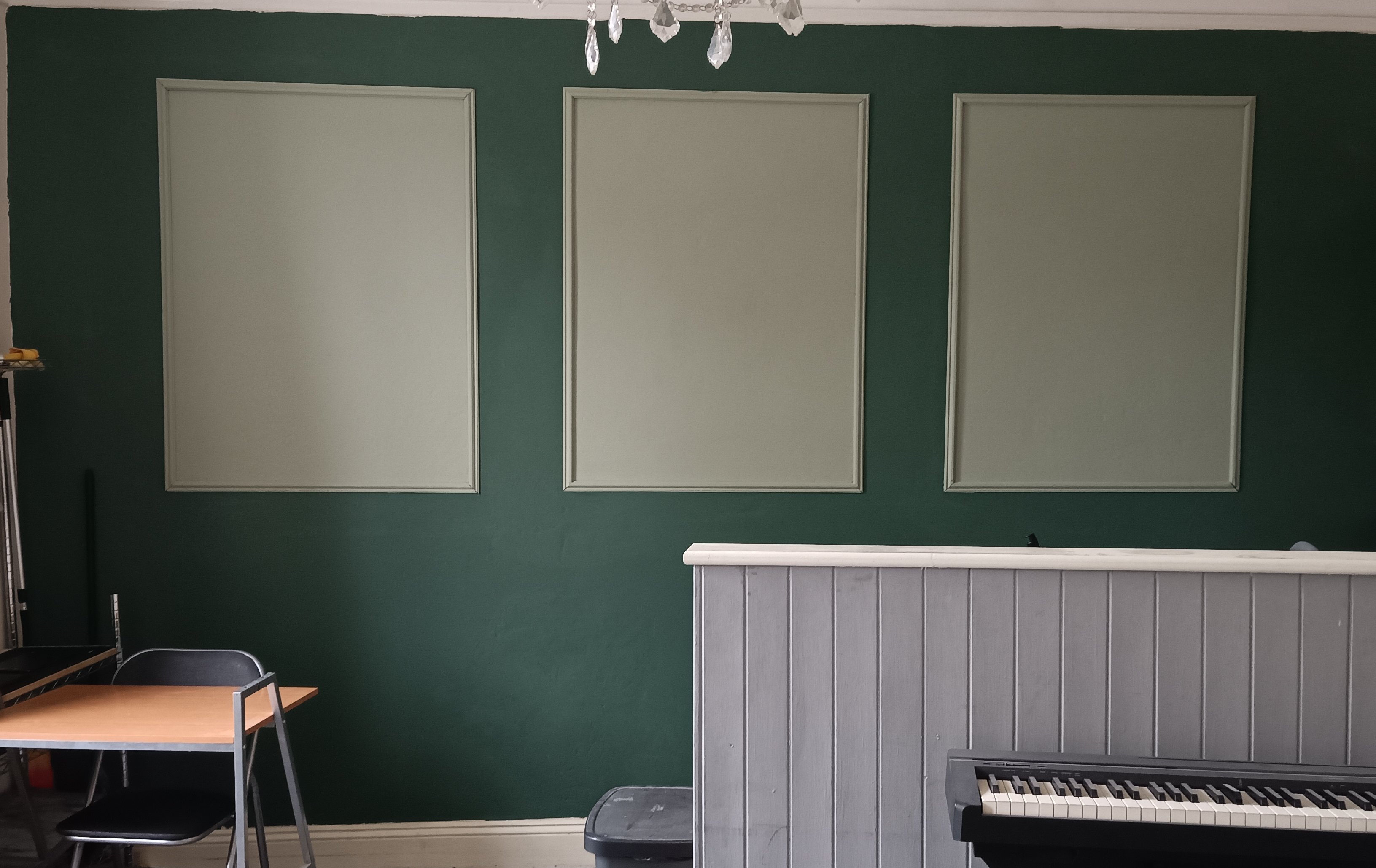
I bought pine mouldings from B&Q and used a coping saw to cut them to size with a 45 degree angle. This formed another hard lesson learned: I recall spending £100-£200 on wood and yet panelling kits are now a tenth of the price, easier to use and look more authentic. Nothing is flush nor level in an old building so a plumb line helped to nail my panels vertically while the glue dried. Thankfully I've never had any problems with them falling down.
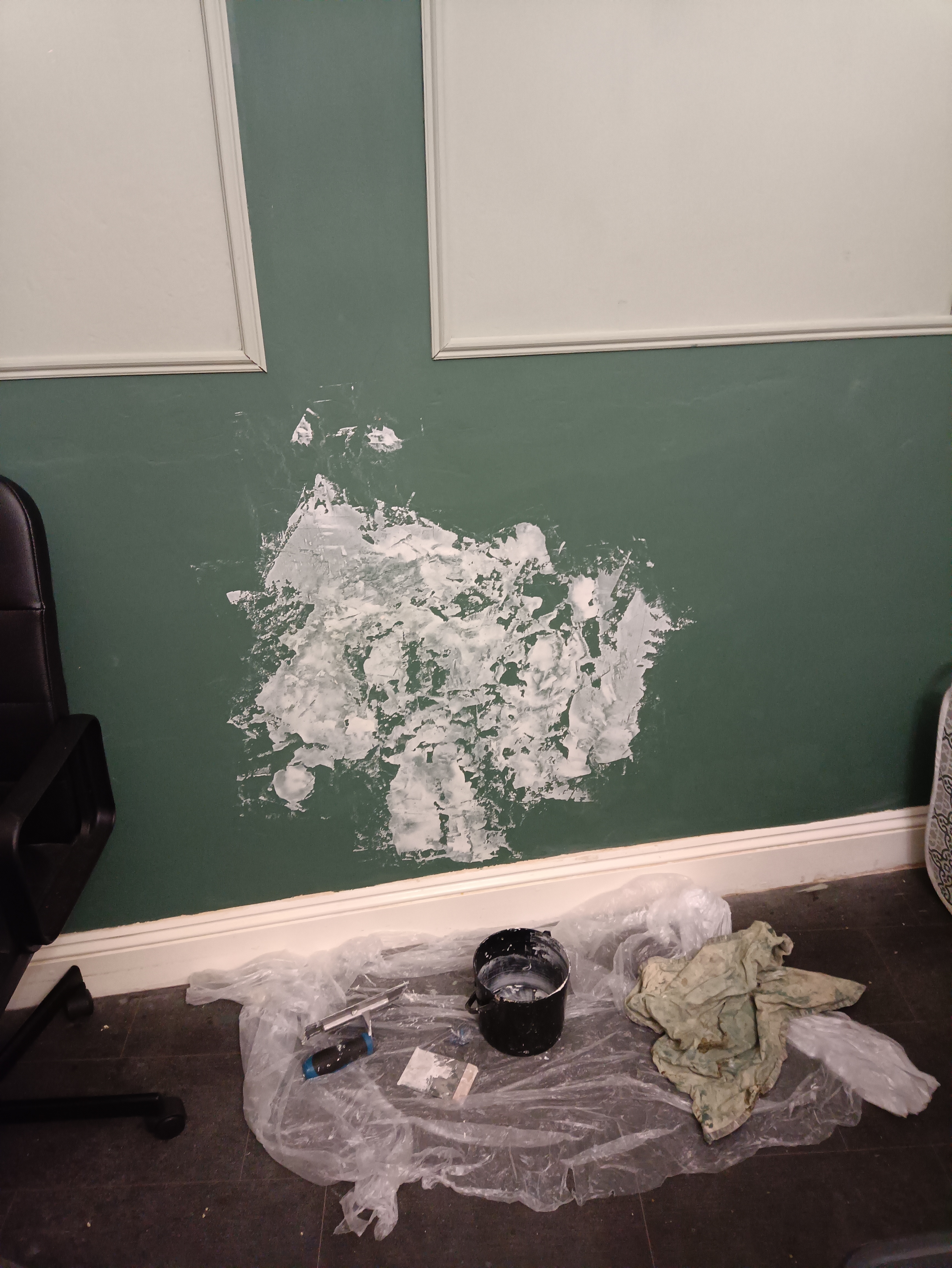
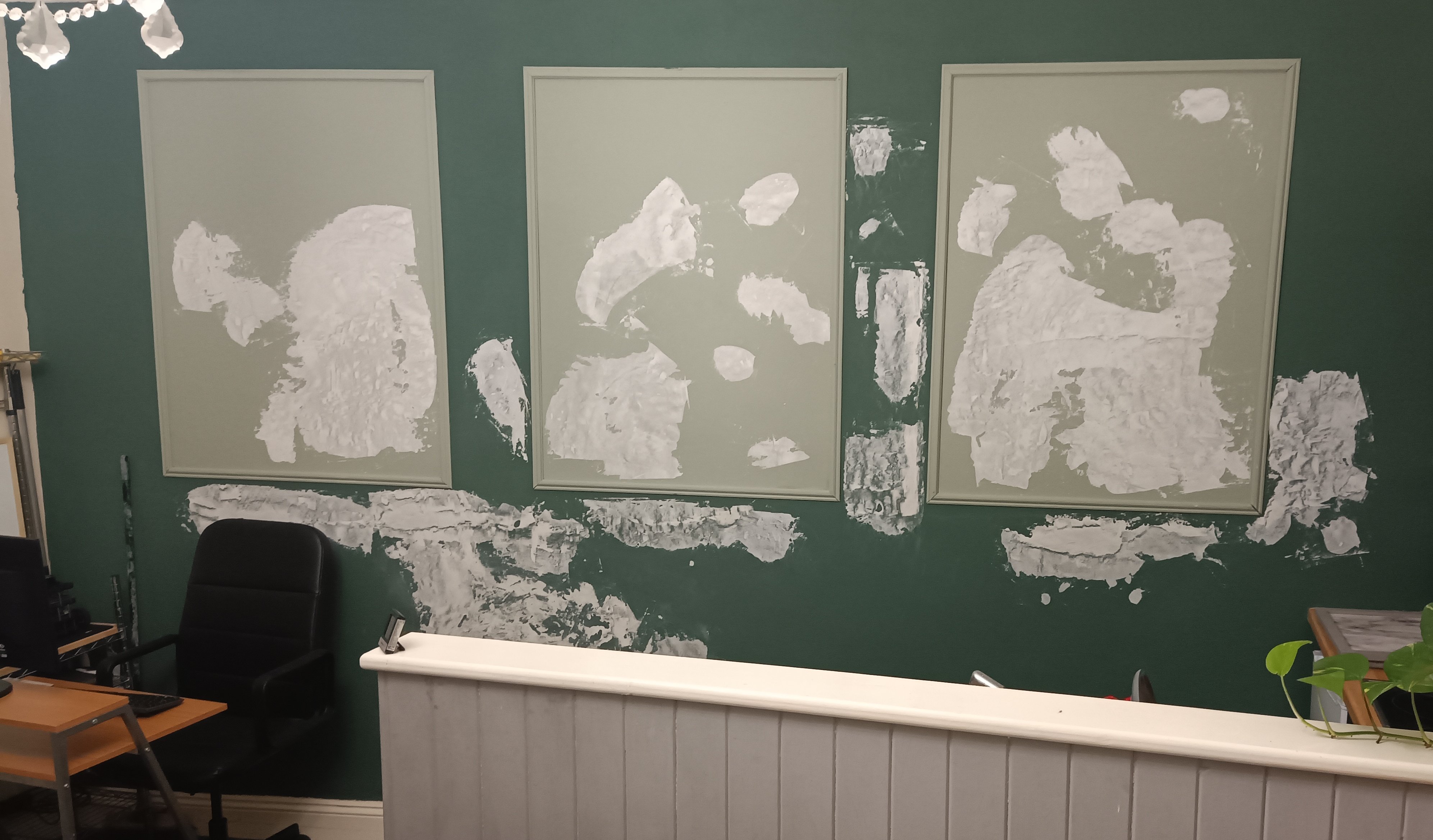
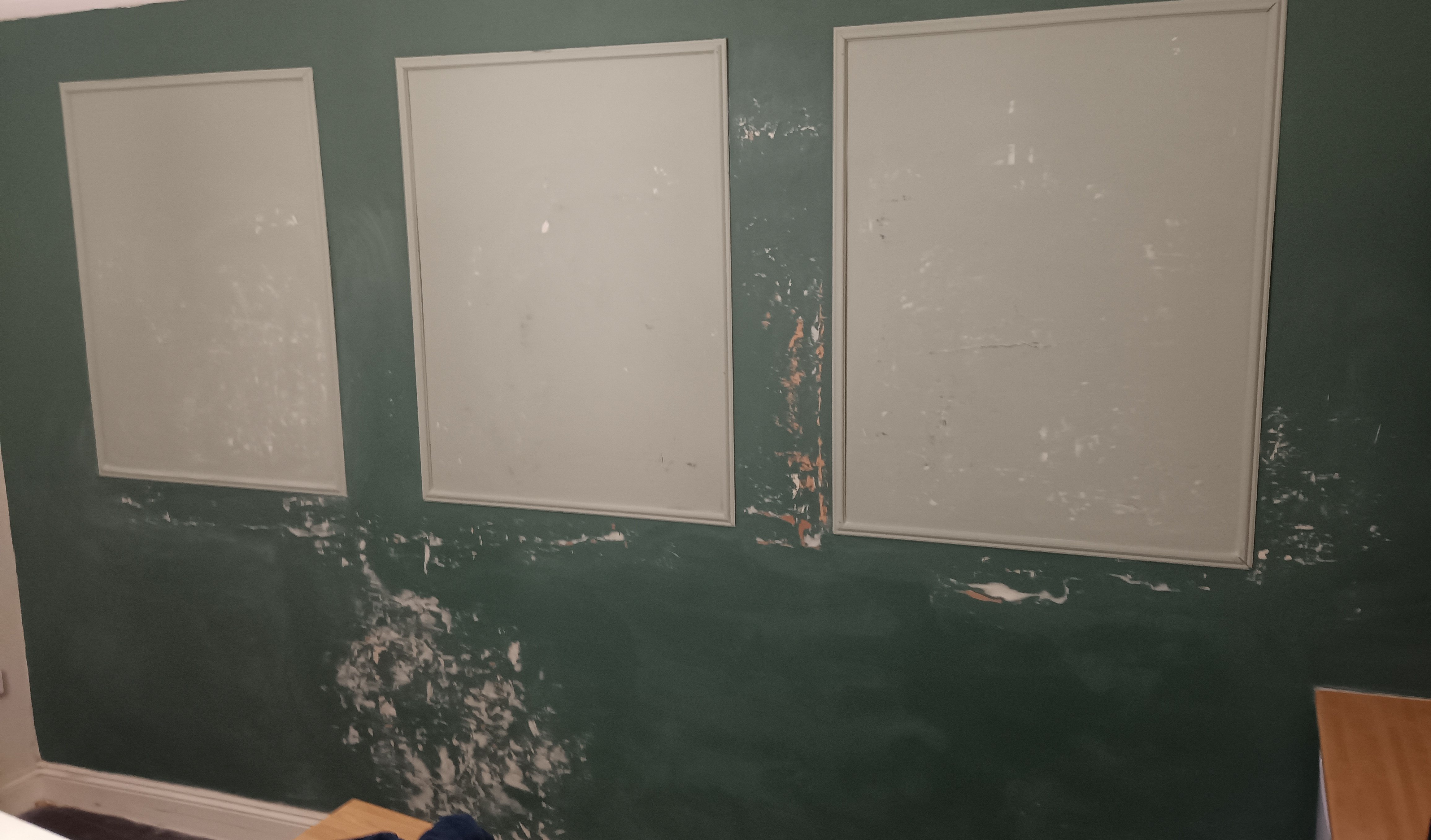
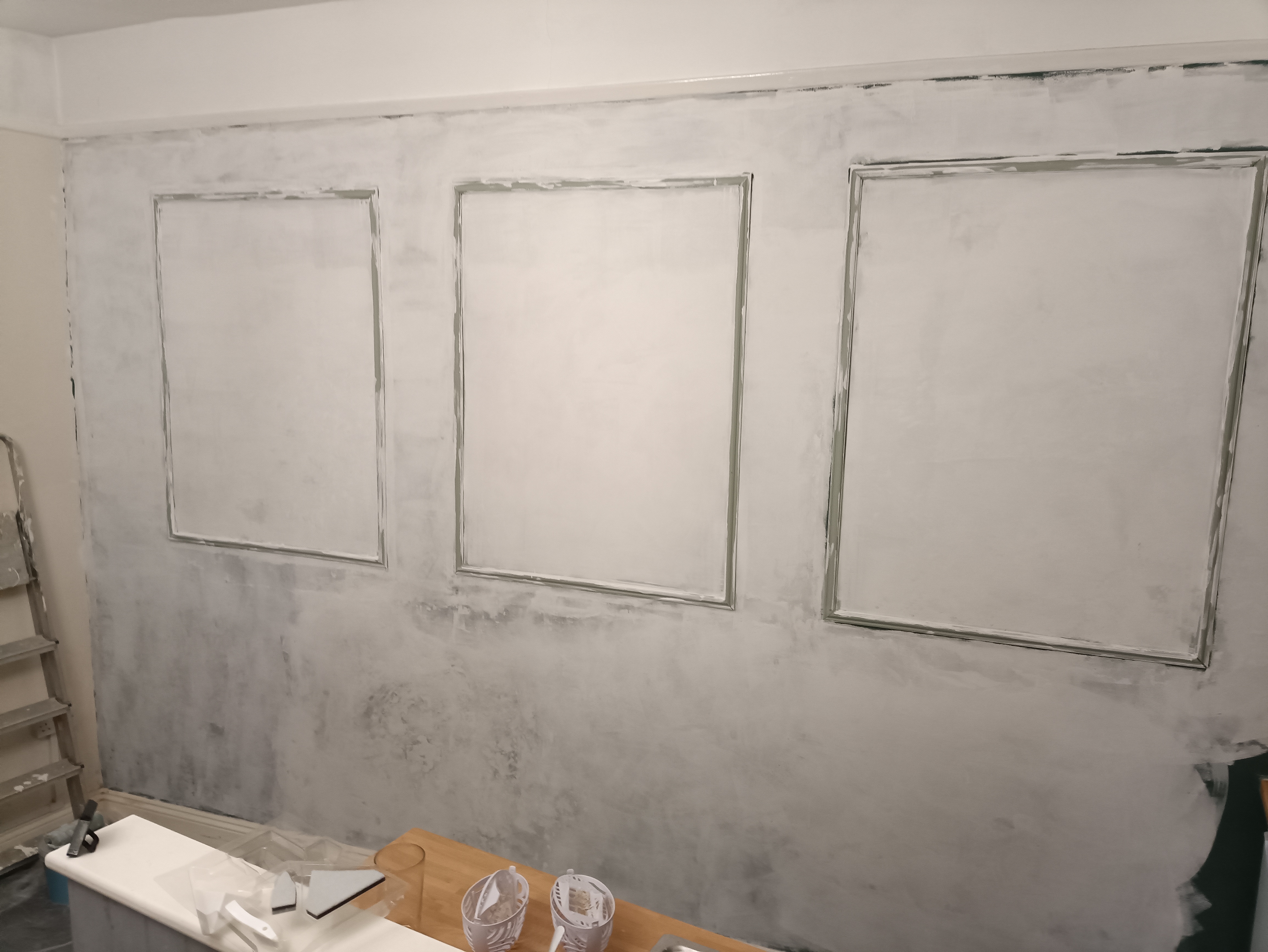
The result really changed the room and made it feel loved. However, after five months, I wanted to tackle those remaining defects. I refilled, sanded, primed and painted the wall again. This time I achieved a better finish. It still isn't perfect but it's certainly liveable and a vast improvement over the previous decor.
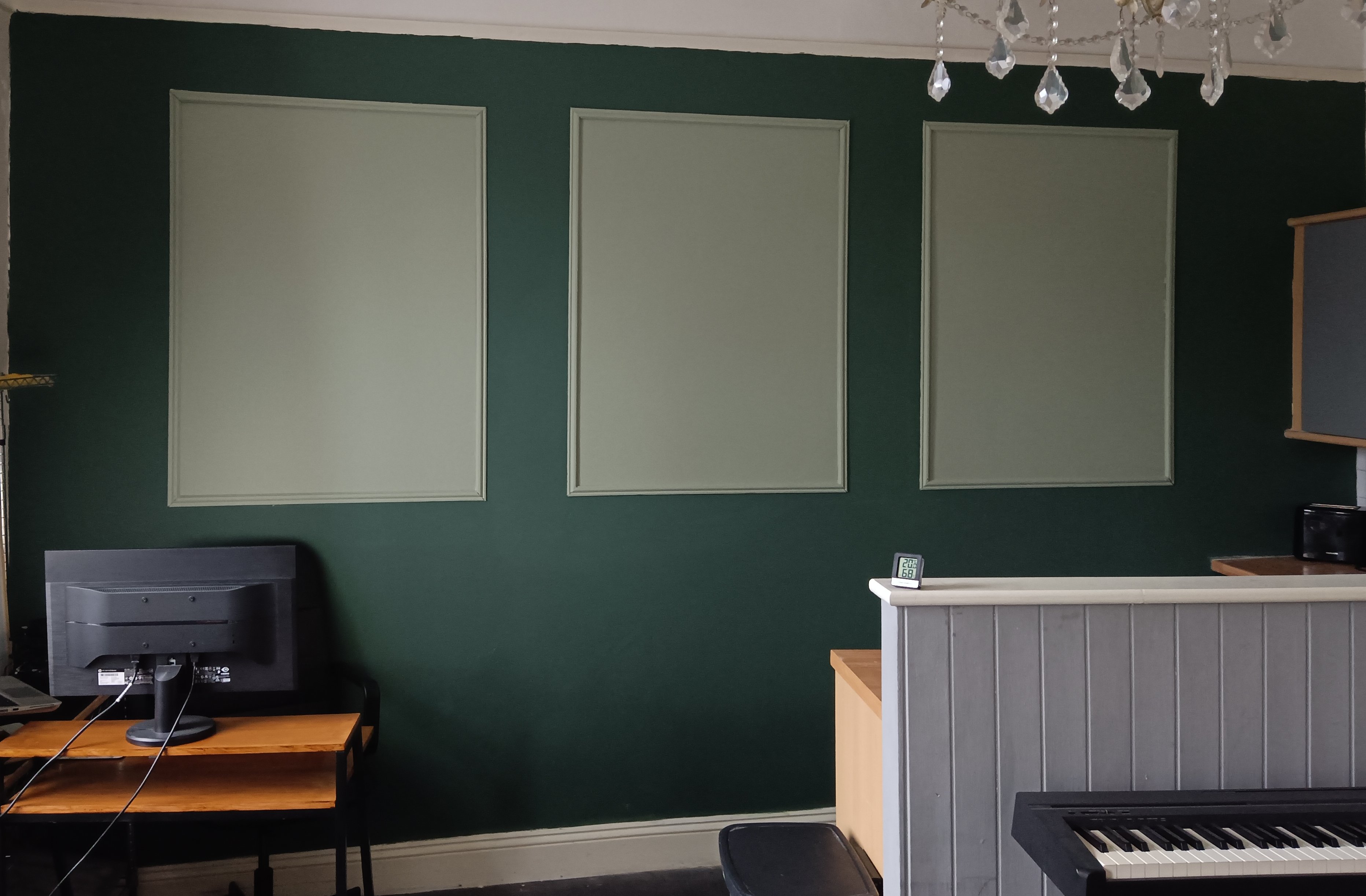
The key thing I learned from this project was not to look for problems because the important ones will find you. Instead of attacking the entire wall surface, it would've been easier to patch repair any troublesome spots that may have emerged later.